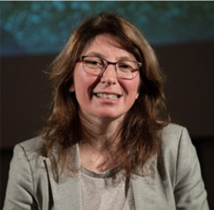
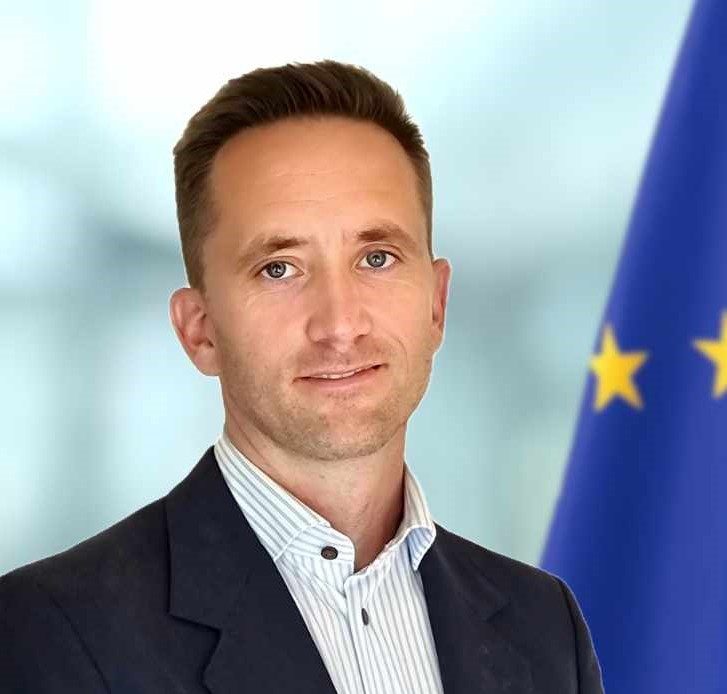
Paola Migliorini has been working on circular economy policies at the Commission’s Directorate-General for Environment since 2012. She has coordinated the policy development and the implementation of the two circular economy action plans adopted by the Commission in 2015 and 2020. Currently, she focuses on the circular economy for textiles and plastics and on the EU Ecolabel. Paola has great interest in best practices on sustainable consumption and production from innovative businesses and public authorities. She has experience in European institutions and the private sector. Her motto is "explain, listen and make it happen".
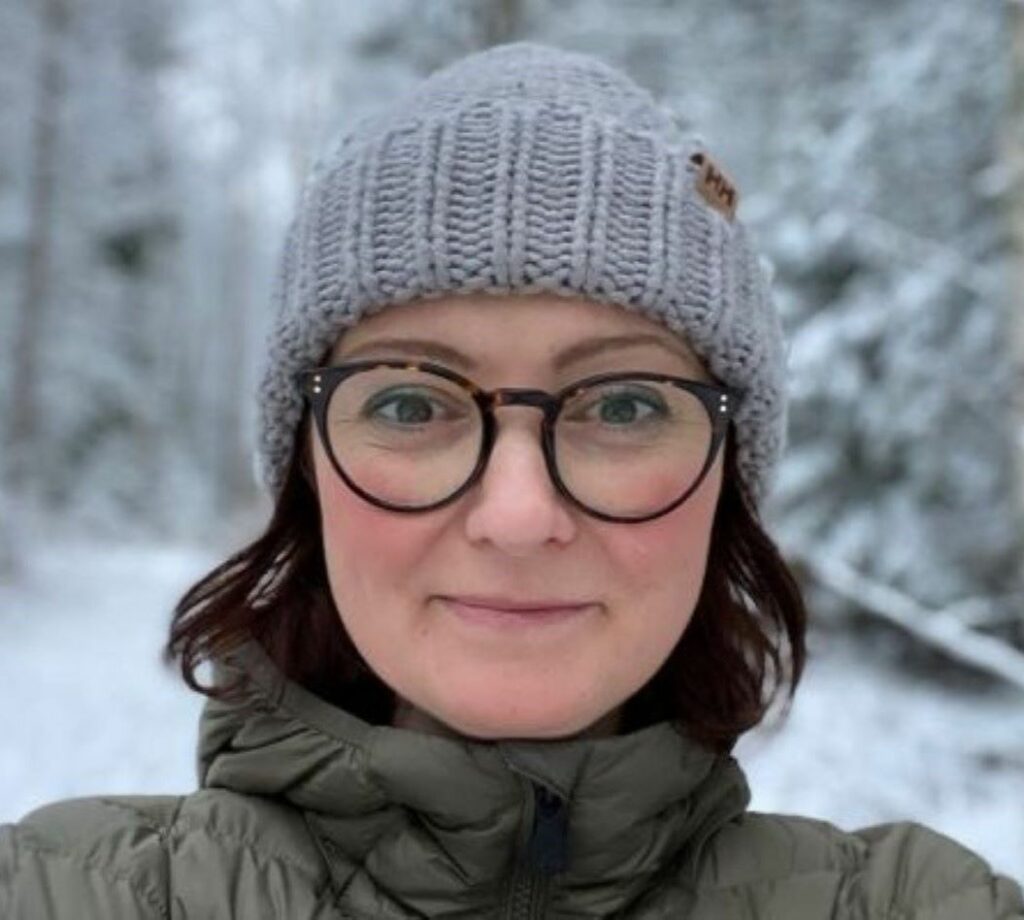
Anna Douglas is a professional with extensive experience in sustainable business; climate and environment; human rights; diversity, equity and inclusion (DEI); energy; and the circular economy. Currently, she focuses on advising the bank and clients on sustainability, especially in the circular economy, climate and energy transition. Previously, Anna worked in zero-emissions transport, smart industry innovation for a Swedish region, sustainability in the steel industry, renewable energy development, and climate change consulting to the Scottish Government. Anna is passionate about how the circular economy can help us improve equity, justice, low carbon emissions and resource efficiency; as well as how finance can play a role in systems change towards a circular regenerative economy.
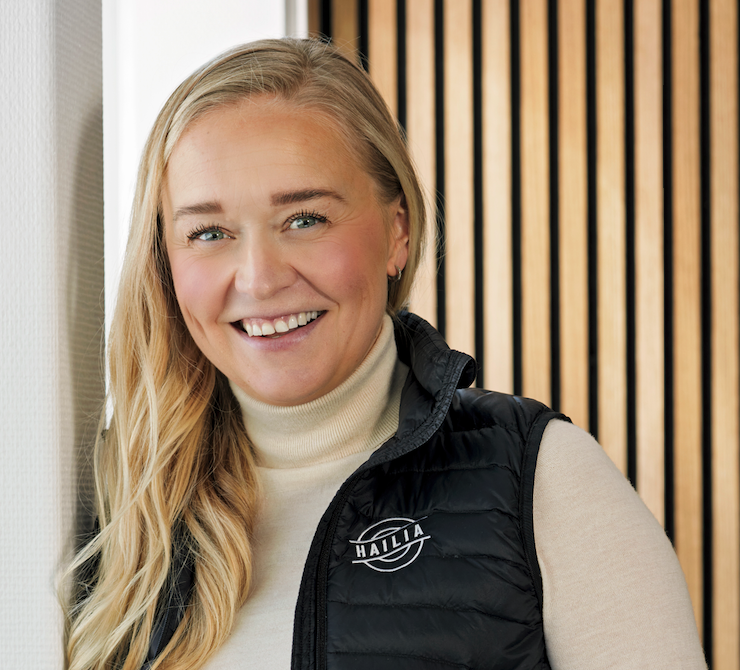
Michaela Lindström is co-founder of Hailia, a company aimed at enhancing circularity within the fishing industry. When starting the enterprise, she leveraged her robust expertise and experience gained from marketing and project management. Michaela is driven by the opportunity to contribute to the shared mission of creating a future-proof food system: meeting nutritional demands within planetary boundaries. Fearless and infinitely curious, she says "Let's find out" when others say "impossible."
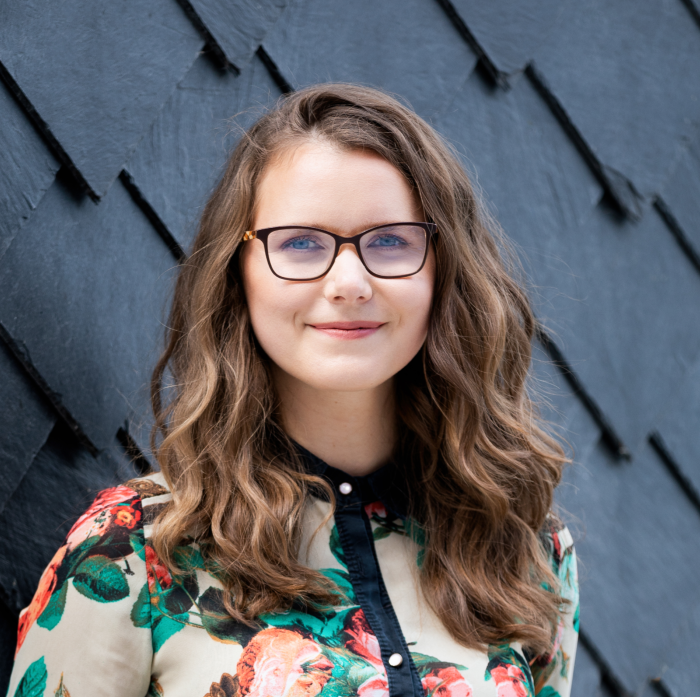
Mayri Tiido is an adult educator with 10+ years’ experience and a circular economy entrepreneur. She's one of the co-founders of Materjalivoog, a marketplace in Estonia for industrial leftovers. In addition, she has researched what competencies young people need to become future leaders in a circular world and is a guest lecturer in different universities in Estonia on sustainability and circular economy topics.
Read full bio
Daniele Serra
Associate Expert
United Nations Industrial Development Organization (UNIDO)
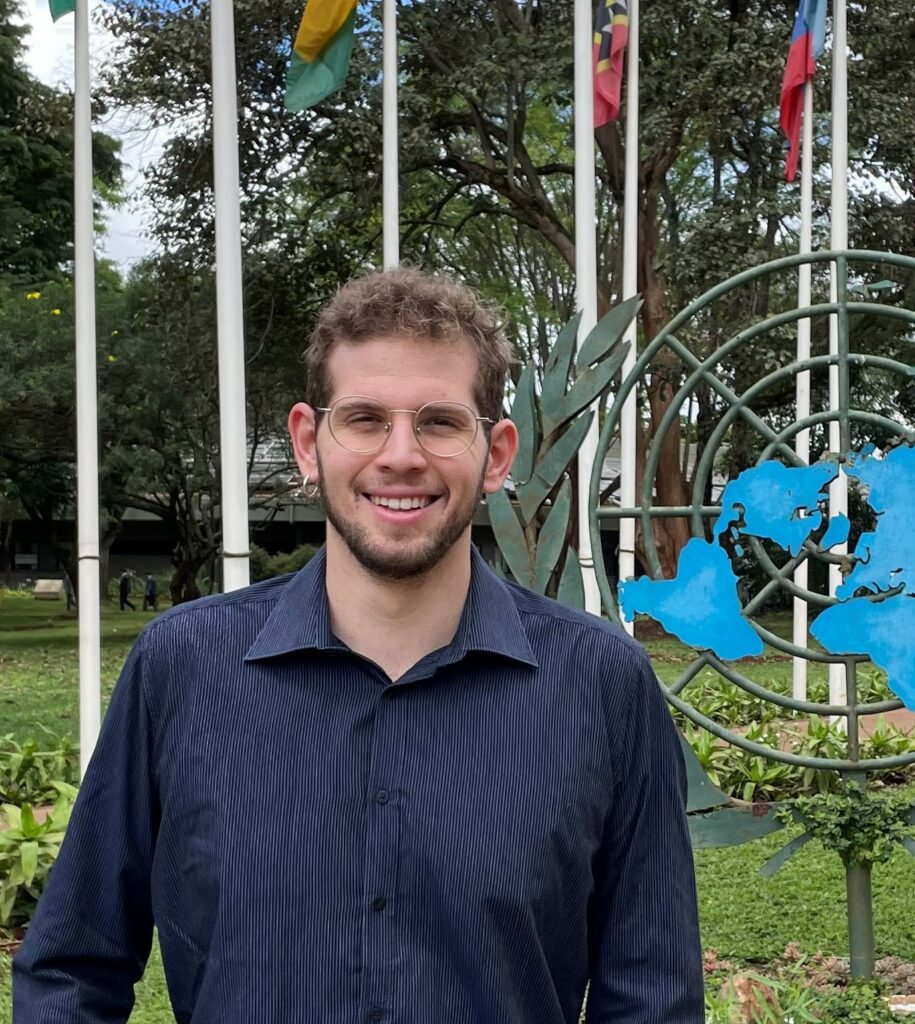
Daniele has worked at UNIDO as a project manager in the circular economy and resource efficiency unit since 2021. He is the focal point of the Global Alliance on Circular Economy and Resource Efficiency (GACERE) and leads a project on the uptake of eco-design practices in China. A passionate advocate of the ecological transition, he worked for the energy utility Enel before joining UNIDO (2017-2021). His background is in sustainable energy systems and he holds an MSc from the Royal Institute of Technology in Sweden, the Polytechnic University of Turin in Italy, and the UPC BarcelonaTech in Spain.
Patrick Schröder specialises in research on the global transition to an inclusive circular economy with a focus on international policy coordination, closing the investment gap, the role of global trade and the contribution of the circular economy to the Sustainable Development Goals. Prior to joining Chatham House, he was Research Fellow at the Institute of Development Studies at the University of Sussex. From 2008–15 he was based in Beijing where he worked extensively in development cooperation programmes of the European Union and climate change programmes with GIZ. He is currently coordinating lead author for UNEP’s Global Environmental Outlook 7. Patrick holds a BA in Chinese from the University of Westminster and received his MA in international relations and PhD in environmental studies from Victoria University of Wellington, New Zealand.
Read full bio
Alice Senga
Administrator, ECESP Secretariat
European Economic and Social Committee (EESC)
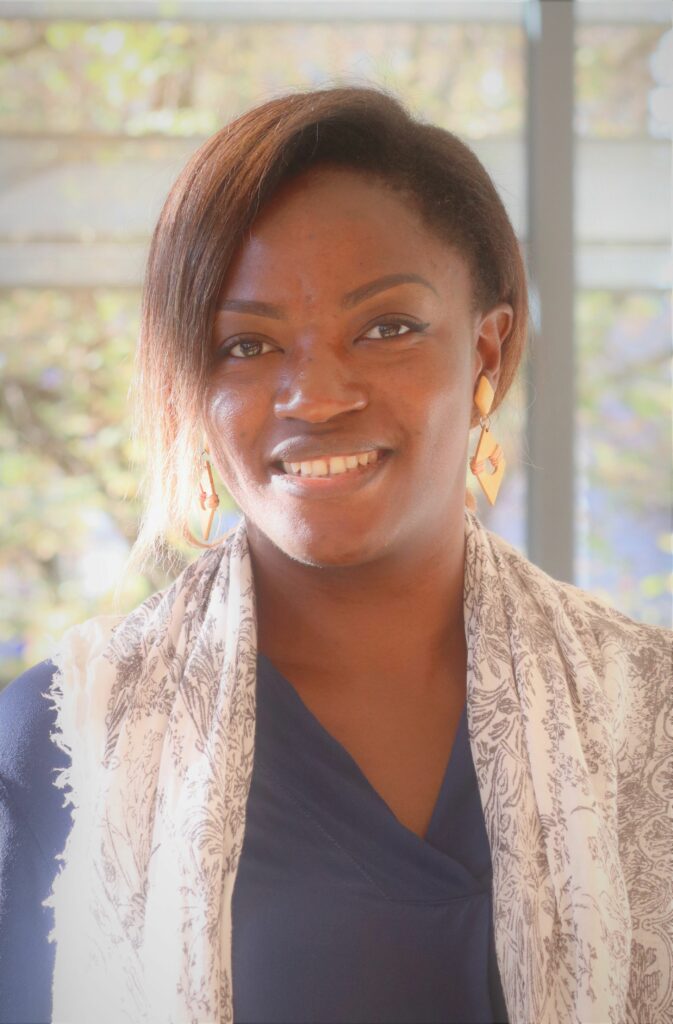
Seasoned communications expert Alice holds a master's in digital communication, which she complemented by EU environmental policies and law studies. She has worked in the social economy field for four years and is now part of the team managing the European Circular Economy Stakeholder Platform’s (ECESP) secretariat at the EESC. Over the years, she worked and facilitated policymakers and stakeholders in various configurations, including high-level events such as the platform's annual conference and the #EUCircularTalks concept.
Read full bio
Christoffer Vestli
International Relations Officer
European Commission
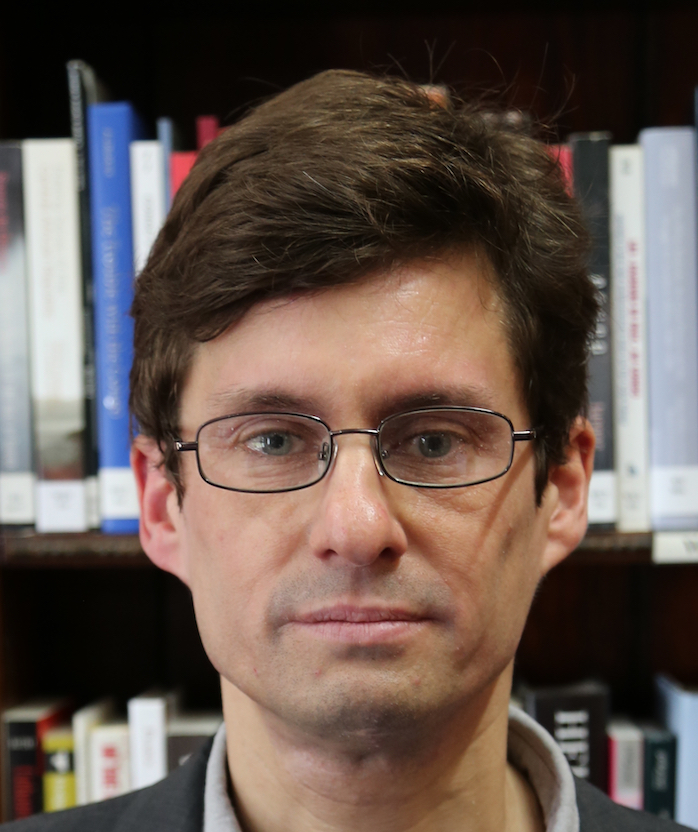
Since 2020, Christoffer Vestli has been part of the multilateral team of the Directorate-General Environment of the European Commission, overseeing plastics negotiations and part of the circular economy action plan. He has worked with GACERE, the OnePlanet Network and other international projects related to sustainable consumption and production. He has experience in international relations and Norwegian legislation on the circular economy and waste management.
Johan Berhin is the founder and designer of the green furniture concept, known from railway stations and airports around the world, such as London King's Cross Station and Hong Kong Airport. He saw the need for more sustainable timber as a furniture producer and became amazed by the many benefits of forestry without clear-cutting, both from a sustainability and an economic viewpoint. He believes this probably has the largest climate potential of any action in Northern Europe.
Martin Pauli works at Arup, an international consultancy and design firm, where he develops circular economy-based business and product strategies for leading companies in the construction industry in Europe and internationally.